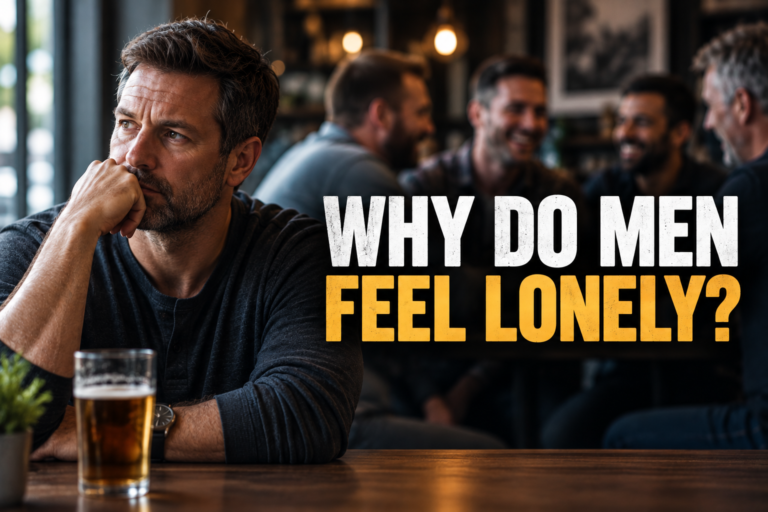
Mental health among men doesn’t get talked about the way it should, and the numbers show exactly why that’s a problem. Men account for roughly 79% of all suicide deaths in the United States, dying by suicide at nearly four times the rate of women.
That gap isn’t because men struggle less. It’s because men are far less likely to actually get help. In a recent year, only about 17% of American men saw a mental health professional, compared to 28.5% of women. On average, men wait roughly 11 years after symptoms start before they seek any kind of treatment. That’s not a small delay. That’s over a decade of carrying something that could have been addressed much earlier.
Suicide risk in men isn’t limited to one age group either. Rates are highest among men 75 and older, but it’s also one of the leading causes of death for men between 15 and 34. This isn’t just an older-generation problem or a younger-generation problem. It shows up across the entire span of a man’s life.
Why Men’s Mental Health Gets Ignored
Stigma is a big part of it. Most men were raised with some version of the same message: handle it yourself, don’t complain, stay strong. Asking for help gets filed away as weakness instead of what it actually is, which is one of the more difficult and mature things a man can do. That message gets reinforced early, at home, on sports teams, at work, until asking for help starts to feel like breaking a rule nobody wrote down but everybody follows anyway.
The result is that a lot of men cope in ways that make things worse instead of better. Men are two to three times more likely than women to misuse drugs or alcohol as a way of dealing with what they won’t talk about out loud. It’s not that men feel less. It’s that a lot of men were never given a healthier outlet for what they feel. It’s a workaround, and workarounds tend to cost more in the long run than they save right now.
None of that is a life sentence. It’s a pattern, and patterns can change once a man decides handling it alone isn’t actually working. Organizations like HeadsUpGuys exist specifically because men often need a different entry point into getting help than what’s typically offered, and that entry point matters more than most men realize.
Men who do get support consistently report the same thing: what actually helped wasn’t some dramatic breakthrough, it was structure. Someone checking in. A reason to keep the appointment. A place to actually say the thing out loud instead of carrying it silently for another year. That structure is what most men are missing, not the willpower to feel better entirely on their own.
Coaching isn’t therapy, and it’s not a replacement for it when something more clinical is going on. But it is a place to start building the habits, honesty, and structure that make it easier to actually follow through on getting the support you need, whether that’s a coach, a therapist, or both. If that’s where you’re at, contact me and let’s talk about it.
Mental health isn’t the soft topic it’s sometimes made out to be. It’s the difference between men who quietly struggle for over a decade and men who decided eleven years was too long to wait. Every conversation about Men’s Health Month should include this one, not as an afterthought, but as the point. If you’ve been carrying something alone for years, this month is as good a reason as any to stop.
Frequently Asked Questions
Why does men’s mental health get ignored?
Men are conditioned to underreport struggle and avoid seeking help, which keeps the scale of the problem hidden even though the outcomes are severe.
How much more likely are men to die by suicide than women?
Men account for roughly 79% of all suicide deaths in the United States, dying by suicide at nearly four times the rate of women.
Does this gap mean men struggle less than women emotionally?
No — the gap reflects underreporting and reluctance to seek help, not less actual struggle.