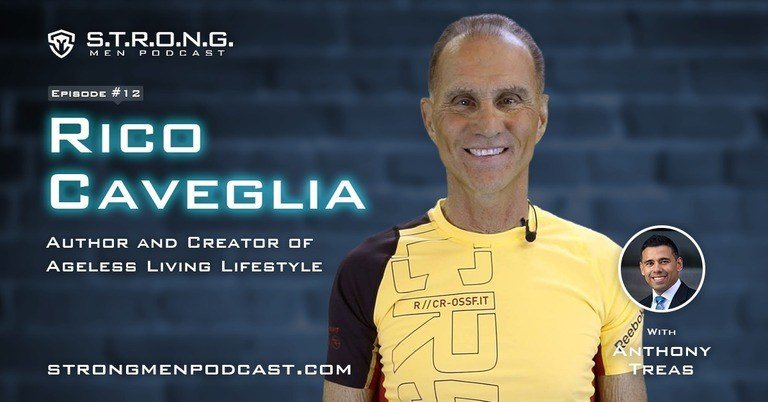
What does it actually take to stay strong, mobile, and pain-free for decades, not just for a few good years in your twenties? Most men never find out, because they quit training the moment something starts to hurt. That single decision, to back off instead of adjusting and pushing forward, is often the real difference between staying capable for decades and quietly losing ground year after year. Tom Furman’s answer, backed by more than fifty years of training, says otherwise.
Tom Furman has been training in martial arts and conditioning since 1972. He grew up outside Pittsburgh with an early background in wrestling and studied the methods of the York Barbell Club, learning early on to separate fact from fiction in the fitness world. According to his own bio, eleven members of his family were combat veterans, and he credits hundreds of hours of seminars, training sessions, and backyard workouts with training partners who came from backgrounds like exercise physiology, boxing, and military rescue work.
Tom Furman’s Credentials Come From Decades in the Trenches, Not a Certification Weekend
Tom was one of the first American trainers to become RKC certified in kettlebell training, and he’s quoted twice in Pavel Tsatsouline’s book The Naked Warrior. He’s also done workshops alongside kettlebell authorities Mike Mahler and Steve Cotter, and created two training DVDs, Concrete Conflict & Conditioning and Activate Your Dynamic Range of Motion, which combine strength, movement, and flexibility work. That combination of certification, mentorship under recognized authorities, and hands-on content production is rare in an industry that often rewards marketing over actual mileage.
Today Tom runs Tom Furman Fitness, where his kettlebell-based coaching focuses on injury prevention, fat loss, and passing physical fitness tests, work he does with military personnel, law enforcement, athletes, and men who are serious about aging well. His approach isn’t built around trends. It’s built on decades of real training experience with real people. He’s also been writing about training on his own blog since 2005, sharing the same practical, no-nonsense approach he uses with his in-person and online clients.
In this episode, Tom joins the STRONG Men podcast to talk about:
Why so many men lose strength and mobility as they age, and what’s actually causing it, whether that’s inactivity, poor movement habits, or simply assuming decline is inevitable once you pass a certain age
How kettlebell training can protect your joints instead of wearing them down, especially compared to high-impact training methods that get harder to recover from as you get older
What it actually takes to keep passing physical fitness tests and staying capable well past your 20s and 30s, including the training adjustments that matter most once recovery starts taking longer
These aren’t abstract ideas for Tom. They’re the same principles he’s applied in his own training for more than five decades, which is exactly why his perspective carries weight. That’s a very different starting point than a coach who learned everything from a certification manual and a few seminars over the course of a single year.
You don’t need to have Tom’s decades of martial arts and kettlebell experience to start training the right way for your age and your body. Contact me and let’s talk about building a strength plan that keeps you capable for the long run, not just for the next few months. Whether you’re just getting started or trying to rebuild strength and mobility you’ve already lost, there’s a way to train smart for the body you actually have right now, not the one you had twenty years ago.
For more information about Tom visit tomfurman.com, where he continues to share training articles and updates on his ongoing kettlebell coaching work.
Frequently Asked Questions
Can men stay strong and mobile as they age?
Yes — staying strong, mobile, and pain-free for decades is possible, but it requires continuing to train and adjust your approach rather than quitting the moment something hurts.
What’s the biggest mistake men make with training as they age?
The biggest mistake is backing off entirely at the first sign of discomfort, instead of adjusting the approach and continuing to push forward.
Who is Tom Furman?
Tom Furman is the guest featured in this post, sharing his approach to staying strong and capable well beyond your twenties.